Archives
- 2026-10
- 2026-09
- 2026-08
- 2026-07
- 2026-06
- 2026-05
- 2026-04
- 2026-03
- 2026-02
- 2026-01
- 2025-12
- 2025-11
- 2025-10
- 2025-09
- 2025-03
- 2025-02
- 2025-01
- 2024-12
- 2024-11
- 2024-10
- 2024-09
- 2024-08
- 2024-07
- 2024-06
- 2024-05
- 2024-04
- 2024-03
- 2024-02
- 2024-01
- 2023-12
- 2023-11
- 2023-10
- 2023-09
- 2023-08
- 2023-07
- 2023-06
- 2023-05
- 2023-04
- 2023-03
- 2023-02
- 2023-01
- 2022-12
- 2022-11
- 2022-10
- 2022-09
- 2022-08
- 2022-07
- 2022-06
- 2022-05
- 2022-04
- 2022-03
- 2022-02
- 2022-01
br Adiponectin in prostate cancer PC was
2023-02-08

Adiponectin in prostate cancer PC was documented as the leading type of malignancy in males in the US with respect to both the estimated number of cases (22,800) and deaths (27,540) (Siegel et al., 2016). Studies have reported an association between low APN levels and the progression of PC (Micha
I-BET-762 Taken together our results indicated that LOX
2023-02-08

Taken together, our results indicated that 5-LOX can be induced in mice by MPTP injection, and the 5-LOX inhibitor MK-886 reduced the death of dopaminergic neurons. MK-886 also reduced the LTB4 I-BET-762 induced by MPTP. The development of the novel 5-LOX or FLAP inhibitors may provide a new therap
br Material and methods br Results
2023-02-08
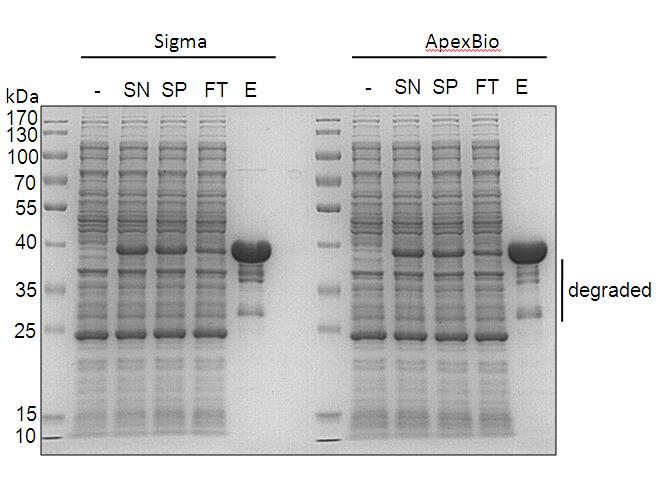
Material and methods Results Discussion Clinical gene therapy trials with viral vectors have been in use for treatment of various genetic disorders and diseases, however efficacious, targetable and highly reliable non-viral delivery systems are needed for safe and long-term applications. De
br Materials and methods br Results
2023-02-08
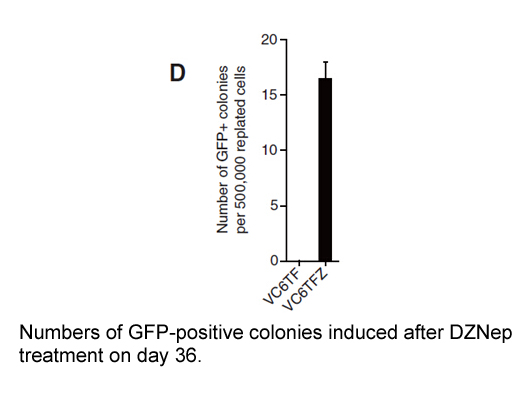
Materials and methods Results Discussion Proteomics analyses generate mountains of data, expression information for hundreds or thousands of proteins in a single experiment (Wojcik and Schächter, 2000). Recently proteomics and bioinformatics provide new understandings about the processes in
These anatomical studies were followed by the first function
2023-02-08
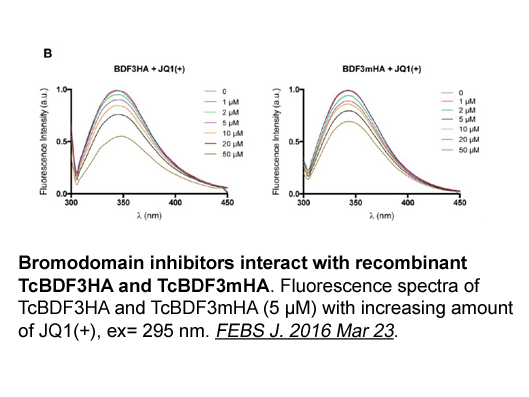
These anatomical studies were followed by the first functional MRI studies of auditory processing in songbirds that were performed in starlings (Van Meir et al., 2005; De Groof et al., 2017; De Groof et al., 2013b) and in zebra finches (Boumans et al., 2008a; Boumans et al., 2007; Boumans et al., 20
The contractility index showed positive inotropic
2023-02-08
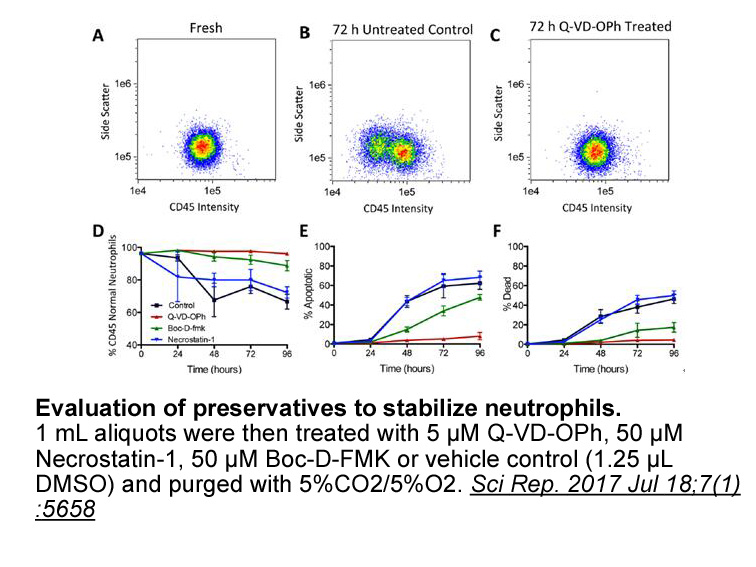
The contractility index showed positive inotropic effects of apelin in both doses at min 5 (Fig. 3, Fig. 5). Although the mean arterial pressure did not recover to the baseline, the contractility index increased, the relaxation index (tau) and ±dp/dt max returned back to their baseline, and left ven
br Conclusion br References and recommended reading Papers
2023-02-08
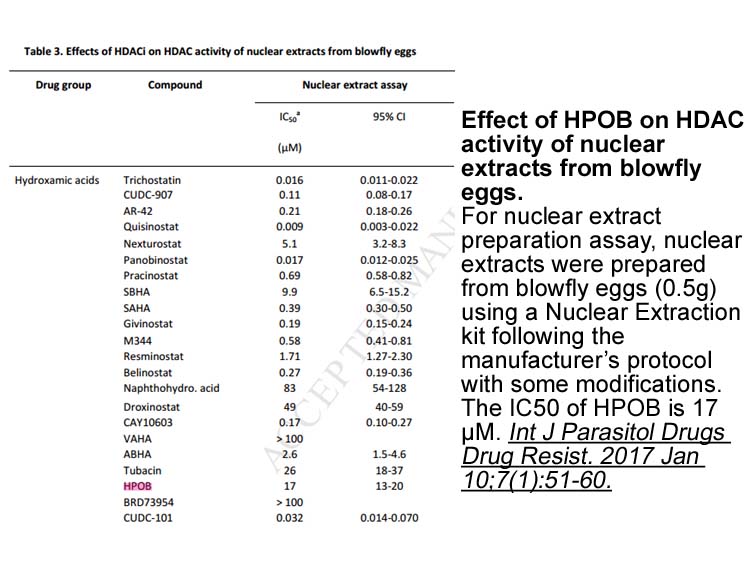
Conclusion References and recommended reading Papers of particular interest, published within the period of review, have been highlighted as: Acknowledgements Introduction Nucleosome, the basic chromatin unit, is composed of DNA and core histones (H2A, H2B, H3 and H4) and organized into
br Introduction Increased renin angiotensin system RAS activ
2023-02-08
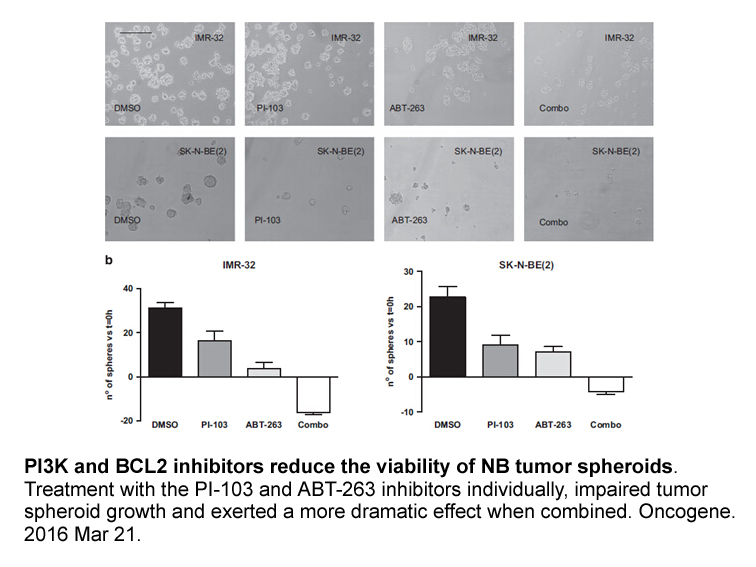
Introduction Increased renin-angiotensin system (RAS) activity and inflammation in cardiovascular-related regions of the central nervous system contribute to the overactivity of neurohumoral systems that promote volume retention, cardiac remodeling and serious cardiac arrhythmias in systolic hear
Ultracentrifugation of AD brain was reported to remove of
2023-02-08
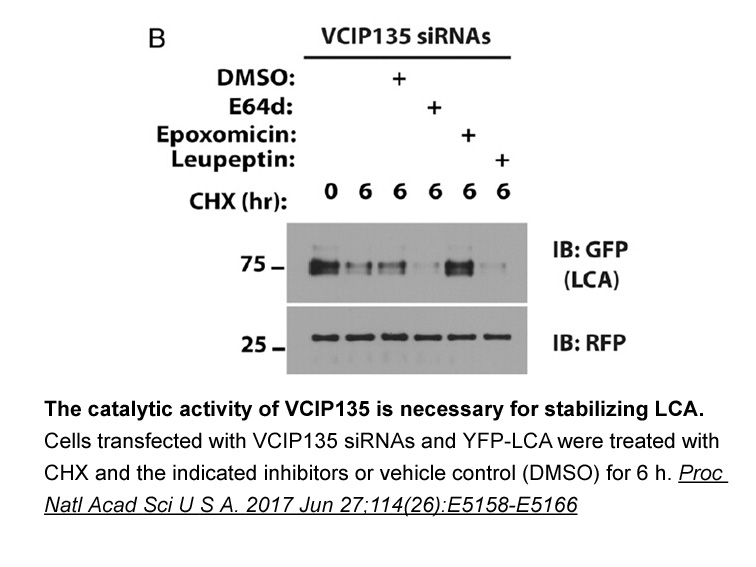
Ultracentrifugation of AD Ezetimibe receptor was reported to remove >99.95% of Aβ, while only reducing seeding capacity by 70% (Langer et al., 2011). This suggests that the most potent seeding Aβ species are relatively small soluble oligomers rather than larger insoluble fibrils. It was also noted
br Results br Discussion Here we uncovered a
2023-02-08
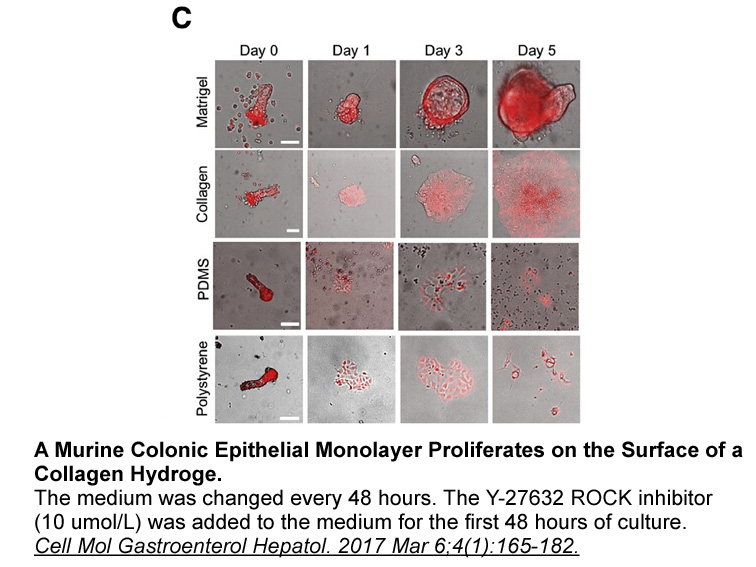
Results Discussion Here, we uncovered a role for Wnt-Fz7 signaling in LTP-dependent spine plasticity and synaptic localization of AMPARs. We demonstrated that LTP induction increased Wnt7a/b protein at TAE226 mg and spines. Direct blockade of endogenous Wnts impaired LTP-mediated structural sp
In view of the ubiquitous distribution of the arachidonate S
2023-02-08
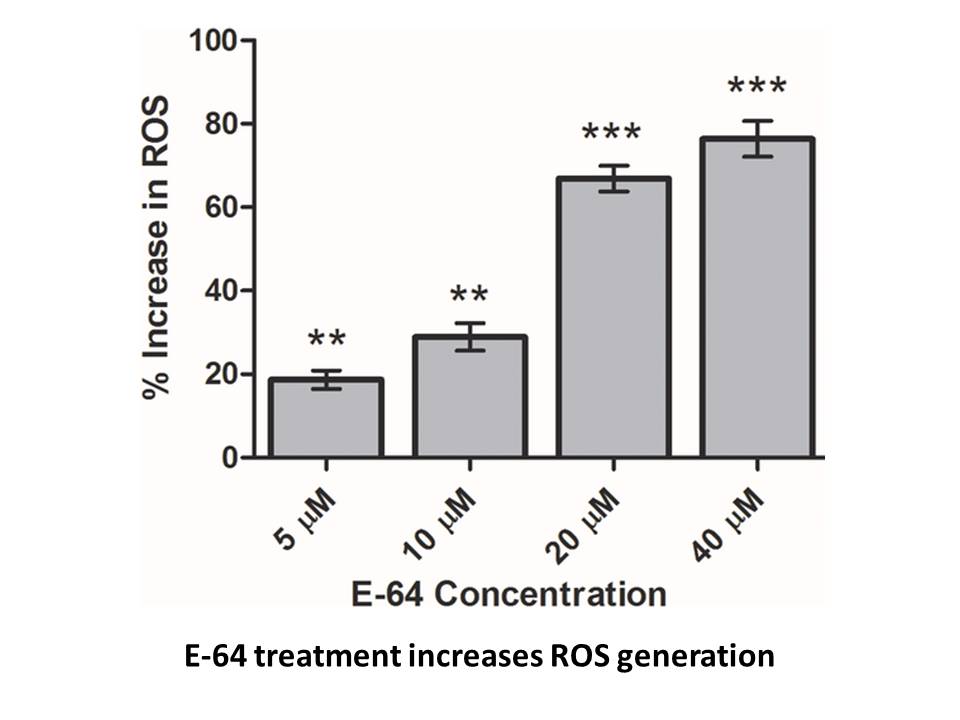
In view of the ubiquitous distribution of the arachidonate 12S-lipoxygenase isoforms and the variety of cellular reactions influenced by the resulting arachidonate metabolites, these products widely play important roles in many biological systems. The development of new type-specific inhibitors of t
In conclusion we identify in this report the molecular natur
2023-02-08
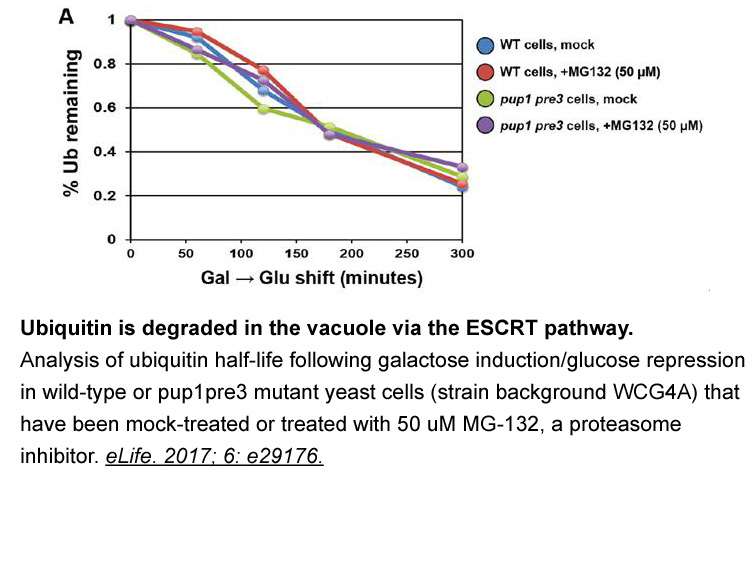
In conclusion, we identify in this report the molecular nature of the 12- and 15-lipoxygenases in M. mulatta and P. pygmaeus and also that the expression of the rhesus enzyme in lung epithelial cells is regulated by interleukin-4. The switch from a mainly 12-LO enzyme to a mainly 15-LO enzyme during
Recent genome wide association studies have indicated SORL
2023-02-08
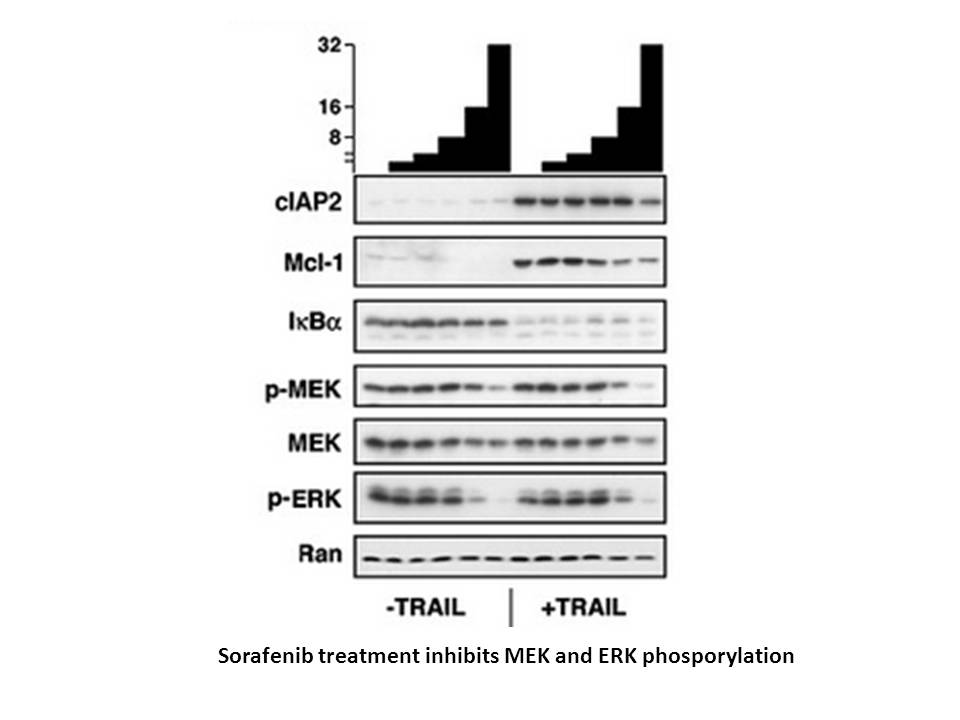
Recent genome-wide association studies have indicated SORL1 as a risk factor for AD (Meng et al., 2007, Rogaeva et al., 2007, Wen et al., 2013). SORL1, is expressed in neurons (Yin et al., 2015) and also regulates APP traffic from the cell membrane to the Golgi apparatus. A reduction in its expressi
The relationship between AG and tau deposition in the
2023-02-08
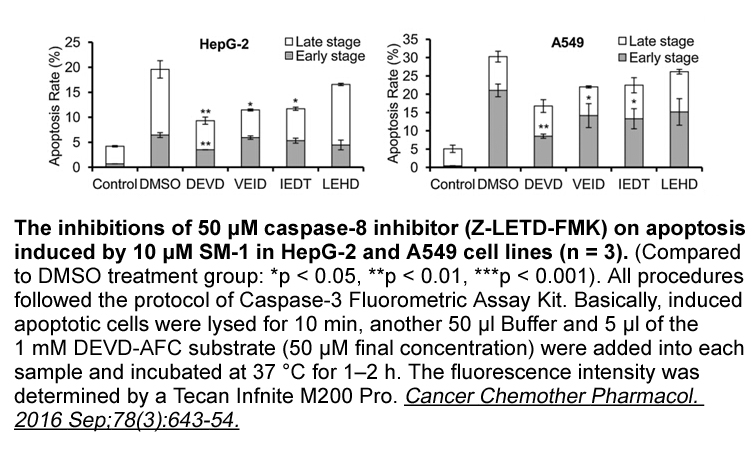
The relationship between AG and tau deposition in the presence of Aβ burden warrants more research in AD and in other primary tauopathies (not associated with accumulation of Aβ plaques). Our findings highlight the importance of measuring AG, as this relationship was not evident for total Ro 3306 au
The G R mutation is located at
2023-02-08

The G1202R mutation is located at the solvent front of the ALK kinase domain adjacent to the inhibitor's binding pocket. Although barely reported in the setting of crizotinib resistance, it has emerged as the most refractory mutation to both the first- and second-generation ALK inhibitors. The large
8604 records 392/574 page Previous Next First page 上5页 391392393394395 下5页 Last page